anjir abdul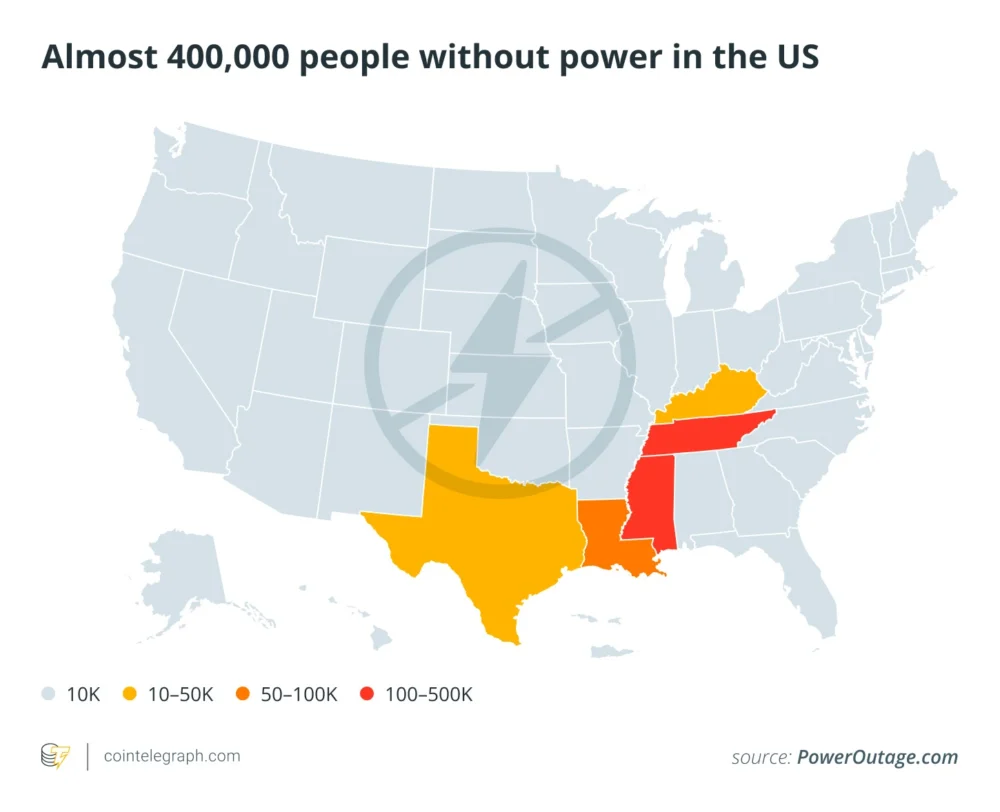
January proved to be a dynamic and pivotal month for the cryptocurrency ecosystem, characterized by unprecedented surges in network activity, growing mainstream adoption of digital payments, and the persistent influence of geopolitical and environmental factors on market dynamics. While major altcoin networks like Solana and Ethereum celebrated significant milestones in user engagement, signaling robust underlying utility and development, Bitcoin navigated both the physical challenges of extreme weather for its miners and the unpredictable currents of global politics, even as its acceptance by merchants continued to expand.
Solana’s Exploding Activity Driven by a Memecoin Frenzy

The Solana network experienced an extraordinary surge in user engagement throughout January, culminating in a remarkable 115% monthly increase in active daily addresses by January 28. Data from Nansen revealed that the total number of active addresses consistently topped an impressive 5 million in the second half of the month, highlighting a dramatic revitalization of the ecosystem.
This explosive growth was largely attributed to a renewed and fervent spree of memecoin minting. A significant catalyst for this phenomenon was the innovative application of Anthropic’s Claude Cowork, an advanced AI agent capable of controlling a user’s desktop. This technological leap empowered developers utilizing Solana-based token launchpads, particularly "Bags," to supercharge their token creation and deployment processes, effectively turning token launches into an overdrive operation.
The impact on the Bags platform was immediate and substantial. Fees on the platform skyrocketed, reaching an unprecedented $4.5 million on January 16. To put this into perspective, from September to December of the previous year, daily fees on Bags rarely exceeded five digits and, at times, plunged to just a few hundred dollars. This dramatic increase in transaction volume and fees underscored the intensity of the activity. Moreover, Bags outpaced "Pump.fun," another popular Solana token launch platform, in terms of the number of tokens that "graduated" – meaning successfully launched – during the same period, signaling a shift in the preferred launchpad within the Solana community. This surge in activity not only demonstrates Solana’s technical capacity to handle immense transaction loads but also reflects a vibrant, if speculative, appetite within its user base for new, community-driven digital assets.

Ethereum’s Strategic Resurgence and Future-Proofing Efforts
Not to be outdone, the Ethereum network also showcased a significant uptick in activity, marking a 25% increase in daily active addresses during January. This growth solidified its position, as the network had already overtaken prominent Layer 2 (L2) solutions like Base and Arbitrum in terms of daily active users by the end of December.
This resurgence in activity is a direct consequence of crucial upgrades to the network, specifically those designed to increase "blob sizes." These technical enhancements have had a profound and positive impact on user experience by significantly lowering transaction fees. By January 29, the average fees on Ethereum had remarkably dropped to less than $0.01, making the network more accessible and economically viable for a wider range of users and applications.

These upgrades are part of a broader, concerted effort by developers to "future-proof" Ethereum and finalize its foundational work. Ethereum co-founder Vitalik Buterin articulated this vision on January 12, stating that the network should ultimately pass a "walkaway test." This ambitious concept implies that Ethereum should be able to continue functioning robustly and effectively meet the needs of its users even without the constant, active presence of developers making changes and monitoring the network. This philosophical and practical pursuit of ultimate decentralization and self-sufficiency underpins the current development trajectory, aiming to establish Ethereum as a truly resilient and enduring global settlement layer.
US Bitcoin Miners Face Curtailment Amidst Severe Winter Storms
While network activity flourished, the physical infrastructure supporting the Bitcoin network faced real-world challenges. Seven major Bitcoin mining operations across the United States found themselves in critical storm zones during January, prompting concerns about potential curtailment of their activities. A severe winter storm system, which wreaked havoc on power grids and left hundreds of thousands without electricity, particularly impacted the Southeast and South Central regions of the country.

According to data compiled by Matthew Sigel, head of digital assets research at VanEck, mining locations operated by industry giants such as Riot, Core Scientific, CleanSpark, and Bitdeer are "structurally set up to act as flexible loads via utility demand response programs." This means these miners are designed to temporarily scale back or even shut down their operations during periods of peak energy demand or grid stress, thereby helping to stabilize the power grid. While immediate confirmation of real-time curtailments for this specific storm was pending, the operational model has proven its value in previous tight energy conditions.
The storm itself was a significant event, affecting a vast swath of the US, including the Midwest and Northeast. It led to widespread flight cancellations, hazardous travel conditions, and devastating power outages. Tragically, at least 20 people had been killed by January 27 due to the extreme weather. Southern states, often unaccustomed to such severe wintry conditions and lacking the robust infrastructure to contend with them, were hit particularly hard. By January 28, approximately 400,000 people in Kentucky, Tennessee, Mississippi, Louisiana, and Texas were without power. The strategic placement of many Bitcoin miners in these regions is often driven by access to cheap power, and their ability to act as flexible loads is a crucial, though often overlooked, contribution to grid resilience.
Mainstream Adoption: More Merchants Embrace Crypto Payments

Beyond network mechanics, the broader acceptance of cryptocurrencies for everyday transactions continued its upward trend, as highlighted by a January report from major payments processor PayPal. The report revealed that a significant "four in 10 merchants in the US now accept crypto," indicating a substantial move beyond niche adoption towards mainstream integration.
PayPal’s comprehensive survey underscored several key advantages driving this acceptance. Merchants reported that crypto payments offer faster transaction speeds compared to traditional methods, provide enhanced privacy for both customers and businesses, and effectively attract a new, tech-savvy demographic of crypto-holders. May Zabaneh, PayPal’s vice president and general manager, encapsulated this shift, stating, "What we’re seeing both in this data and in conversations with our customers is that crypto payments are moving beyond experimentation and into everyday commerce." This sentiment is further bolstered by the fact that a striking 84% of the surveyed merchants believe that crypto payments, including Bitcoin and other major digital assets, will become a mainstream payment option within the next five years. This growing confidence from merchants, facilitated by major payment platforms, signals a transformative period for digital currencies as they increasingly become a practical alternative to fiat for consumer and business transactions.
Bitcoin’s Geopolitical Sensitivity: The Greenland Fiasco

Despite the growing utility and adoption, Bitcoin’s price trajectory in January was not immune to external geopolitical tremors, underscoring its continued sensitivity as a "risk-on" asset. Bitcoin’s price saw a brief climb, reaching a monthly high of around $97,000 in the middle of the month, before experiencing a more than 10% decrease, falling back down to $87,000. This decline occurred amidst renewed discussions and investor anxiety surrounding former US President Donald Trump’s supposed aspirations to acquire Greenland, an autonomous territory of Denmark.
Trump’s claims centered on the US needing to control Greenland for national security purposes, particularly to counteract perceived Chinese and Russian ambitions in the Arctic region. This rhetoric, despite both Denmark and the US being staunch allies within NATO – an organization fundamentally designed to counter such ambitions – created a ripple of uncertainty across global markets.
While the immediate tensions eventually cooled, the fact that Bitcoin, along with broader global markets, reacted negatively to this "saber-rattling" served as a stark reminder of BTC’s current classification as a risk-on asset. Chris Beauchamp, chief market analyst at investing and trading platform IG, succinctly observed, "Cryptocurrencies offered no haven from the wave of selling that washed over global markets in response to Trump’s threat." Analysts widely suggested that Trump’s often mercurial foreign policy approach, characterized by punitive, unilateral tariffs and aggressive rhetoric with traditional allies, contributed significantly to dampening Bitcoin’s price performance during this period, demonstrating its vulnerability to broader geopolitical instability rather than acting as a traditional safe haven.

January thus encapsulated the multifaceted nature of the crypto market: a period of impressive technological advancement and user growth for altcoins, tangible progress in merchant adoption of digital currencies, yet also a stark illustration of Bitcoin’s exposure to both environmental challenges and the unpredictable currents of global politics.