Faris Adani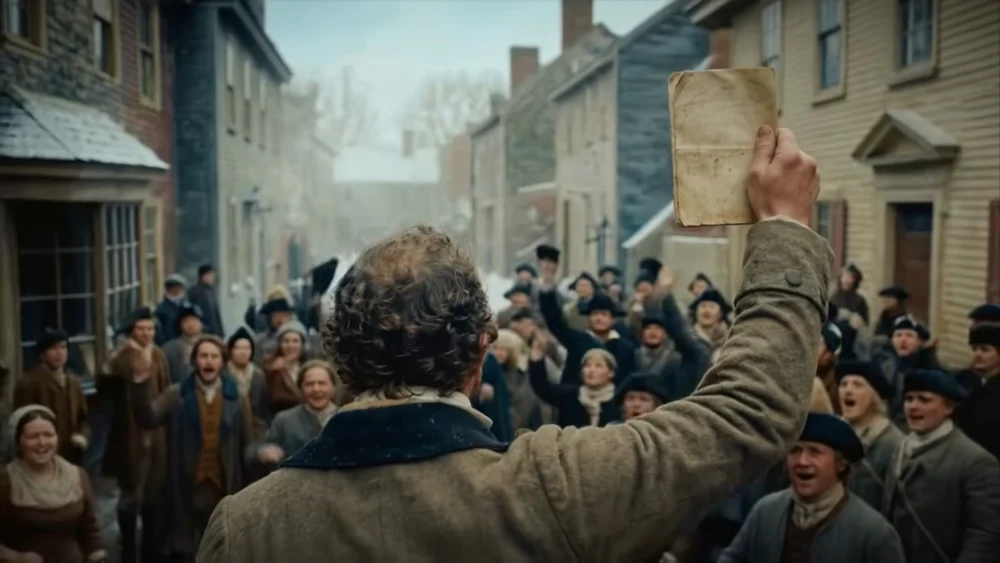
The burgeoning integration of generative artificial intelligence into creative industries has erupted into a full-blown “flame war,” manifesting as a deluge of meaningless and derivative AI-generated “slop” that increasingly suffocates the internet. Despite the persistent assurances from tech magnates that this is the envisioned future, the digital landscape is becoming progressively choked by incoherent, algorithmically-produced drivel, leading to widespread concern about cultural stagnation. This pervasive issue has not spared the hallowed halls of Hollywood, even as some of the industry’s most prominent voices, including cinematic giants like Nicolas Cage and Guillermo del Toro, have publicly and vehemently condemned the use of such technology, warning of its detrimental impact on artistic integrity and human creativity.
In a move that has sent shockwaves through the film community, acclaimed director Darren Aronofsky – a filmmaker celebrated for his visceral, thought-provoking works such as “Requiem for a Dream,” “Black Swan,” and “The Fountain” – has unveiled a controversial partnership. His AI studio, Primordial Soup, has joined forces with formidable entities like Salesforce, TIME Studios, and Google’s DeepMind to produce an almost entirely AI-generated drama series. Titled “On This Day… 1776,” the series ambitiously aims to chronicle events of the American Revolution, yet its preliminary offerings have already ignited a firestorm of criticism. The initial two three-minute episodes are available on YouTube, but their abysmal quality makes any recommendation to view them impossible in good conscience.
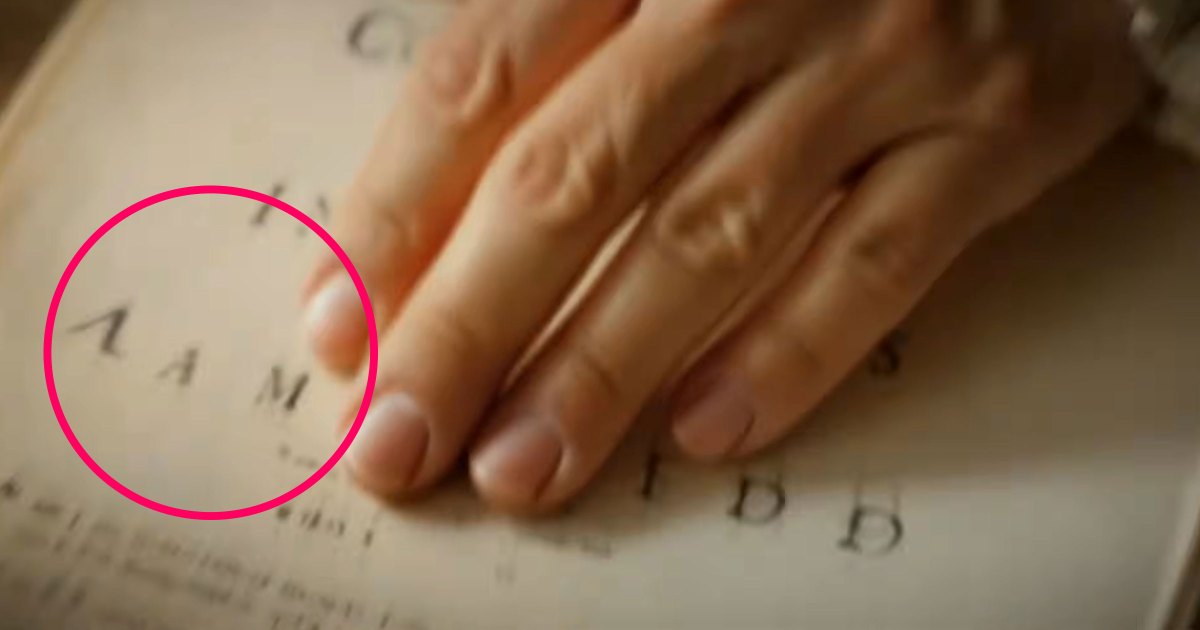
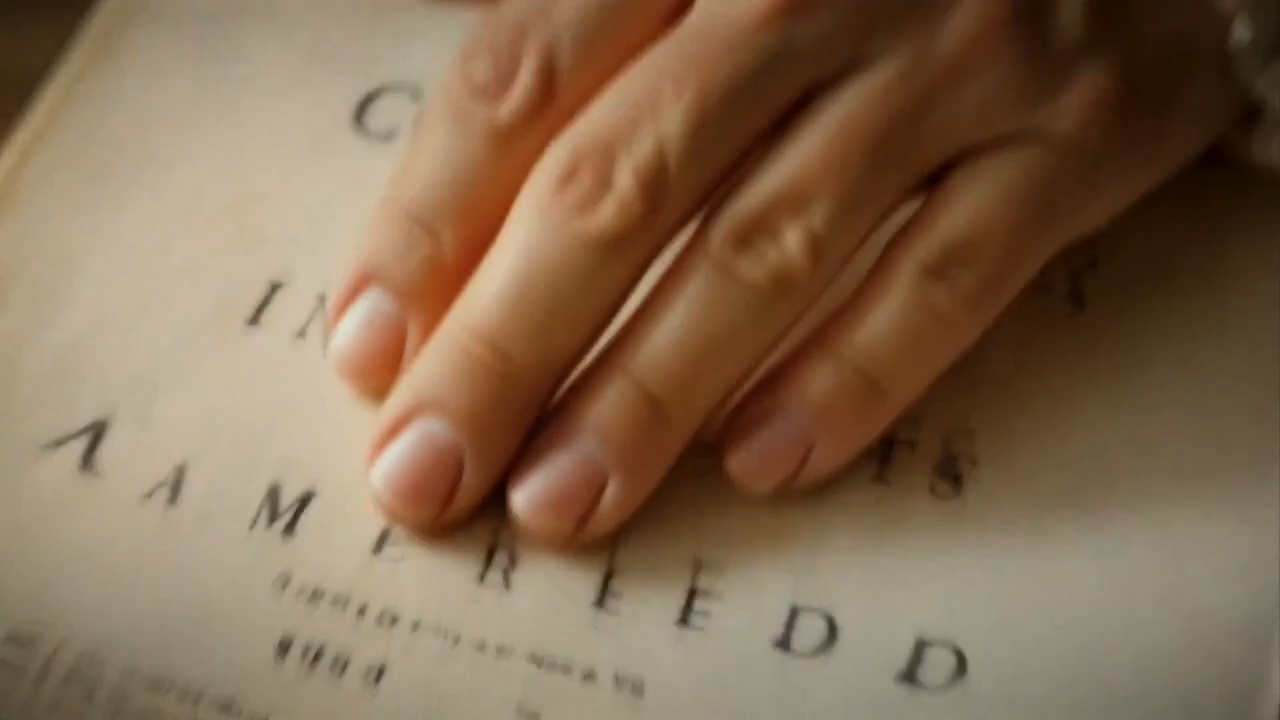
Even a brief teaser trailer for the series immediately betrays the severe limitations and inherent flaws of current generative AI technology, presenting a visual spectacle that can only be described as “neural gore.” Viewers are confronted with a barrage of typical AI drawbacks: uncanny facial features that veer unsettlingly into the “uncanny valley,” often appearing distorted or hyper-real in a grotesque manner; scrambled, illegible text that renders historical documents nonsensical; and a general pervasive artificiality that undermines any semblance of authentic historical recreation. The public reaction has been swift and overwhelmingly negative, with users expressing profound disappointment and outrage. Many have accused Aronofsky of resorting to AI as a cheap gimmick, a means to bypass traditional production costs and, more critically, to avoid compensating real actors and artists. This approach is perceived not as innovation, but as exploitation, a regurgitation of existing human-created art through algorithmic processes without genuine creative input.
The production’s disregard for historical accuracy is particularly glaring and has drawn sharp rebukes from experts. Historian Mateusz Fafinski, for instance, meticulously highlighted the AI’s profound bungling of the front page of “Common Sense,” Thomas Paine’s seminal 47-page pamphlet that was instrumental in advocating for American independence prior to the Revolutionary War. Fafinski’s observations revealed mangled letters and incoherent text, leading him to sarcastically remark on BlueSky, “Happy to see that there is no need to worry about the historical accuracy of new 1776 AI slop because it happens in the mystical land of Îamereedd,” a pointed reference to the nonsensical lettering in the series’ teaser. This detail alone underscores the AI’s inability to grasp the fundamental elements of historical documentation and context.

Beyond the textual inaccuracies, Fafinski also pointed out the perplexing decision to render freshly printed pamphlets as “stained and foxed immediately after printing to look real and ‘old.’” This superficial attempt at historical authenticity, generated without understanding the natural aging process of paper, further illustrates the AI’s shallow interpretation of historical details and the human creative team’s apparent lack of oversight. The uncanny valley effect extends to the characters’ appearances; facial features are often massively oversharpened, creating an unsettling, almost plastic-like quality. Teeth, jarringly, are rendered unnaturally white, a stark and anachronistic contrast to the dental hygiene standards of the 18th century, adding another layer of artificiality to the visual experience.
Perhaps one of the most ridiculed AI renders features what is ostensibly Benjamin Franklin, yet the depiction bears little resemblance to the revered Founding Father. Instead, as keenly observed by *PC Gamer*, the AI-generated Franklin appears more akin to Gollum from “The Lord of the Rings” – a grotesque, low-budget video game character rather than a historical figure. This visual distortion is not an isolated incident; another discerning user noted an egregious anachronism in the architectural details, specifically the “early American colonial vinyl siding” on one of the buildings, a construction material entirely alien to the 1700s. The AI’s struggles with basic perspective are also evident, such as a brief scene depicting a group of individuals on a distant hill who, when compared to the height of a nearby building, appear to be disproportionately massive, easily exceeding twelve feet tall. Such fundamental errors in scale and realism reveal a profound inability of the AI to construct a believable or coherent visual world.
In summation, the series’ glaring lack of attention to detail is a damning indictment of AI’s current inadequacy for complex creative undertakings, even when guided by a filmmaker of Aronofsky’s caliber. The outpouring of criticism echoes past failures of AI-generated content, with many likening “On This Day… 1776” to the notorious “Coca Cola Christmas ad” – a widely mocked AI “slop slip-up” that severely backfired on the mega-corporation last year. The backlash has been particularly harsh, with one user emphatically tweeting, “A director should completely lose their career for this. His Wikipedia should say former filmmaker from now on no matter what else he does.” Another user sarcastically remarked, “I hope the Google money was worth the reputational damage,” highlighting the perception that artistic integrity was sacrificed for corporate funding and technological novelty.
While Aronofsky’s project didn’t entirely eschew human involvement – Screen Actors Guild-represented voice actors were reportedly signed on, and a presumably human “post-production team” handled editing, mixing, and color grading, according to a press release – these contributions appear insufficient to salvage the overall quality. American film music composer Jordan Dykstra was also enlisted to score the series, but these human elements are overshadowed by the AI’s pervasive imperfections. The creators behind the project, however, remain steadfast in their belief that this lazy reliance on generative AI represents the future of Hollywood. Ben Bitonti, president of TIME Studios, stated, “This project is a glimpse at what thoughtful, creative, artist-led use of AI can look like — not replacing craft, but expanding what’s possible and allowing storytellers to go places they simply couldn’t before.”
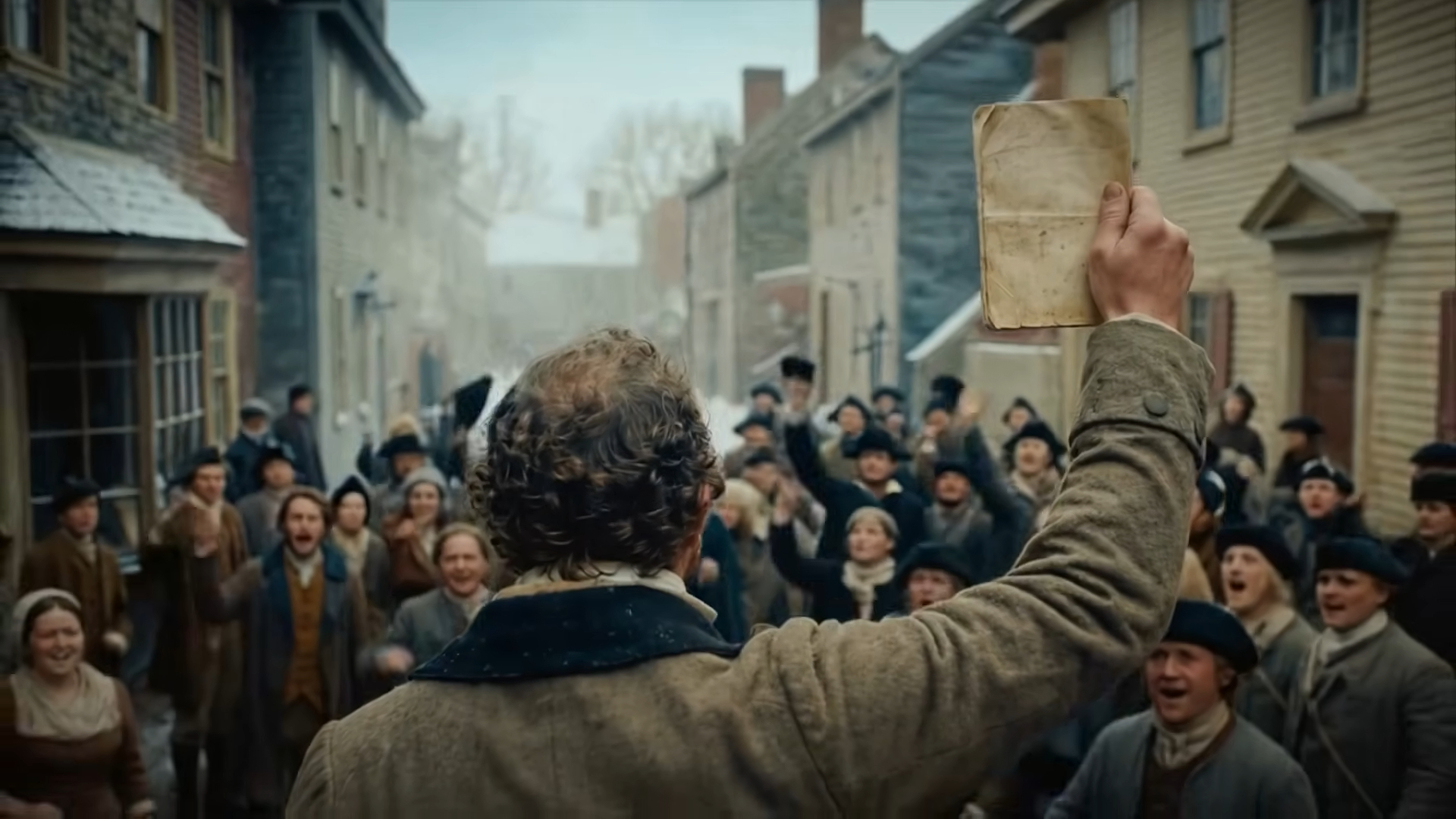
Yet, given the overwhelming torrent of criticism that the teaser trailer alone has garnered, “On This Day… 1776” is highly unlikely to be etched into the history books as a triumph of innovation. Instead, it risks becoming yet another embarrassing chapter in a growing anthology of once-respected filmmakers and corporations attempting to cash in by cutting far too many corners with nascent AI technology. One thing is unequivocally clear: the critics and skeptics are reveling in their vindication. Playwright Ashley Naftule quipped, “As a lifelong Aronofsky skeptic, I’m feeling insanely vindicated right now.” Similarly, a YouTube user, encapsulating the widespread sentiment of dismay, lamented, “What a terrible time to have eyes.” The project serves as a stark reminder of the ongoing debate surrounding AI in creative fields and the critical chasm that still exists between technological capability and genuine artistic merit, particularly when the former is pushed without the rigorous oversight and nuanced understanding that only human artistry can provide.