anjir abdul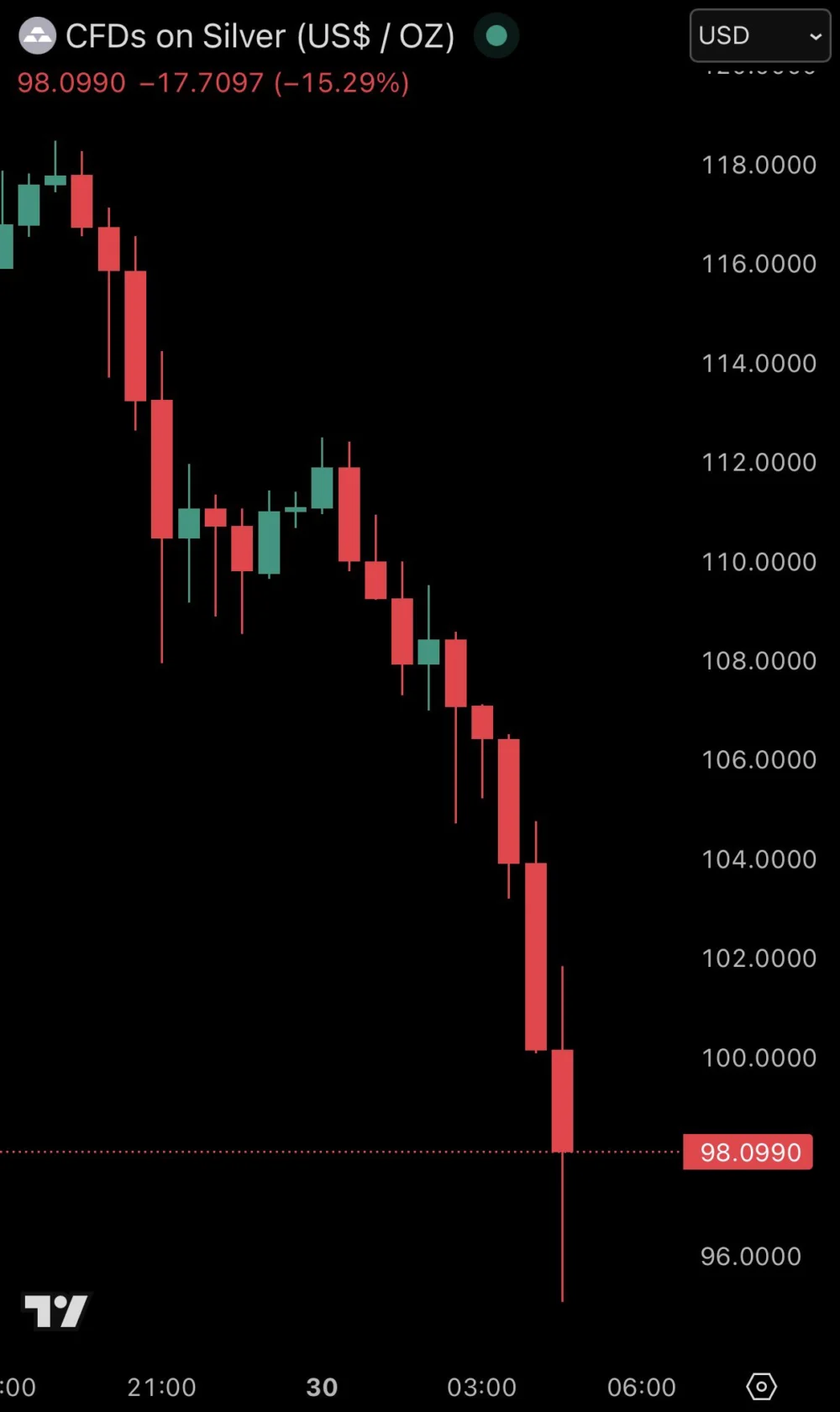
On Thursday evening, President Donald Trump underscored the gravity of the situation, publicly stating that "the only thing" capable of slowing down the nation’s momentum was "another long and damaging Government Shutdown." His declaration, coupled with assurances that he was "working hard with Congress" to secure the necessary funding, highlighted the high stakes involved in reaching a resolution. The emerging deal, if passed, is expected to temper immediate fears of a prolonged funding lapse, which had cast a long shadow over financial markets.
The specter of a shutdown, combined with other macroeconomic and geopolitical factors, has triggered significant volatility across asset classes. Bitcoin, the world’s largest cryptocurrency, experienced a sharp plunge to around $81,000, causing billions in liquidations and sparking concerns among investors. This downturn was exacerbated by substantial outflows from spot Bitcoin (BTC) and Ether (ETH) exchange-traded funds (ETFs), which collectively saw approximately $1 billion exit so far, signaling a broader retreat from digital assets.
Beyond the crypto sphere, broader risk assets also witnessed considerable swings, reacting to a complex interplay of signals from the Federal Reserve, the looming shutdown threat, and escalating geopolitical headlines. Even traditionally "safe haven" and industrial commodities like gold, silver, and oil were not immune, recording sharp price movements as investors rapidly repositioned their portfolios in response to the volatile environment, as reported by Reuters.
Liquidity Crunch and Crypto’s Vulnerability
Nick Heather, head of trading at One.io, offered a nuanced perspective on Bitcoin’s recent depreciation, telling Cointelegraph that the drop reflected "tightening liquidity conditions" rather than an inherent weakness specific to the crypto market. He elaborated, "Bitcoin’s move down to the low-$80,000s looks far more like a liquidity-driven adjustment than a loss of conviction in the asset itself." This perspective aligns with broader market observations where liquidity often dictates the short-term direction of riskier assets.
Adding to this analysis, BitMEX co-founder Arthur Hayes pointed on Friday to a significant reduction in US dollar liquidity in recent weeks, estimated at roughly $300 billion. This contraction, Hayes argued, was largely driven by a notable rise in the Treasury General Account (TGA). The TGA, essentially the U.S. government’s checking account at the Federal Reserve, swells when the Treasury collects more cash than it spends or issues new debt, effectively pulling dollars out of the financial system. Hayes posited that the government might be strategically raising its cash balances in anticipation of potential spending disruptions, and Bitcoin’s subsequent decline was a direct consequence of these tighter dollar conditions.
Heather further explained the mechanics: "When the US Treasury rebuilds its cash balance, risk assets tend to come under pressure, and crypto is often one of the first to react." This phenomenon, often termed quantitative tightening by stealth, reduces the overall money supply available for investment, leading to downward pressure on asset prices, especially those perceived as more speculative or liquid. However, from his internal on-chain monitoring, Heather noted that "whale wallets remain largely inactive, indicating that larger holders have not yet started accumulating and reinforcing the view that current moves are liquidity-driven rather than conviction-led." This suggests that while market conditions are challenging, institutional confidence in Bitcoin’s long-term value may not have fundamentally eroded, implying potential for recovery once liquidity conditions ease.

Gold and Silver’s Shifting Sands Amidst Global Tensions
The prevailing investor unease was further compounded by a series of geopolitical developments on Friday. President Trump’s declaration of a national emergency over Cuba, coupled with earlier signals on Wednesday that he was considering military options against Iran’s nuclear and missile programs, kept geopolitical risk firmly at the forefront of market concerns. Such pronouncements tend to fuel uncertainty, often driving investors towards traditional safe-haven assets.
However, the performance of precious metals presented a complex picture. After surging to record levels earlier in January, both gold and silver experienced sharp sell-offs. Silver, in particular, was reported by The Kobeissi Letter to have "officially" entered "bear market territory," plummeting 22% from its recent high. Gold also saw a significant correction, briefly tumbling below a key psychological level (which, while reported as $5,000 an ounce, is likely an extreme representation of a substantial drop from its recent peak of over $2,100, reflecting intense profit-taking and market repositioning) before recovering to around $5,100 at the time of writing, according to TradingView. This counter-intuitive move, where safe havens fall amidst heightened uncertainty, underscores the multi-faceted nature of current market dynamics, possibly influenced by a stronger dollar, profit-taking after a strong run, or a preference for cash amidst a liquidity squeeze.
Other industrial commodities, including oil, also saw significant price adjustments, reflecting a broader investor recalibration in response to the confluence of fiscal, monetary, and geopolitical headwinds. The interconnectedness of global markets means that events in one sector or region can rapidly cascade, impacting a wide array of assets.
Historical Precedent and Future Outlook
Episodes of prior government shutdowns historically tend to erode business and consumer confidence, delay the release of crucial economic statistics, and raise fundamental questions about the stability of the US fiscal outlook. These factors typically translate into heightened volatility across equities, bonds, the dollar, and the nascent crypto market.
Heather reiterated that, historically, government shutdowns are more often catalysts for uncertainty rather than clear directional trends. For Bitcoin, he noted, "the immediate impact is usually higher volatility, not a clean trend." This suggests that while price swings might be sharp, predicting a sustained upward or downward trajectory solely based on shutdown news can be challenging.
Even if the current shutdown deal successfully navigates congressional hurdles, traders and investors remain grappling with a broader landscape characterized by tightening financial conditions, largely driven by central bank policies, and elevated geopolitical risks. The interconnectedness of these factors creates a challenging environment for forecasting market movements.
"Until there’s clearer visibility on liquidity and policy, both traditional and digital asset markets are likely to remain sensitive to headlines and prone to abrupt repricing," Heather concluded. This sentiment highlights the cautious stance adopted by many market participants, who are closely monitoring developments across Washington D.C., the Federal Reserve, and international flashpoints. The current environment demands agility and careful risk management, as unexpected news can trigger rapid and significant market shifts. The proposed deal offers a glimmer of stability, but the underlying tensions in the global economy and political landscape ensure that volatility will likely remain a defining feature of financial markets for the foreseeable future. The swift resolution of the shutdown, if it occurs, could provide a temporary reprieve, allowing markets to focus more squarely on the Federal Reserve’s monetary policy trajectory and the evolving geopolitical landscape, which continue to be dominant forces shaping investor sentiment.