Imroatul Nasiyah
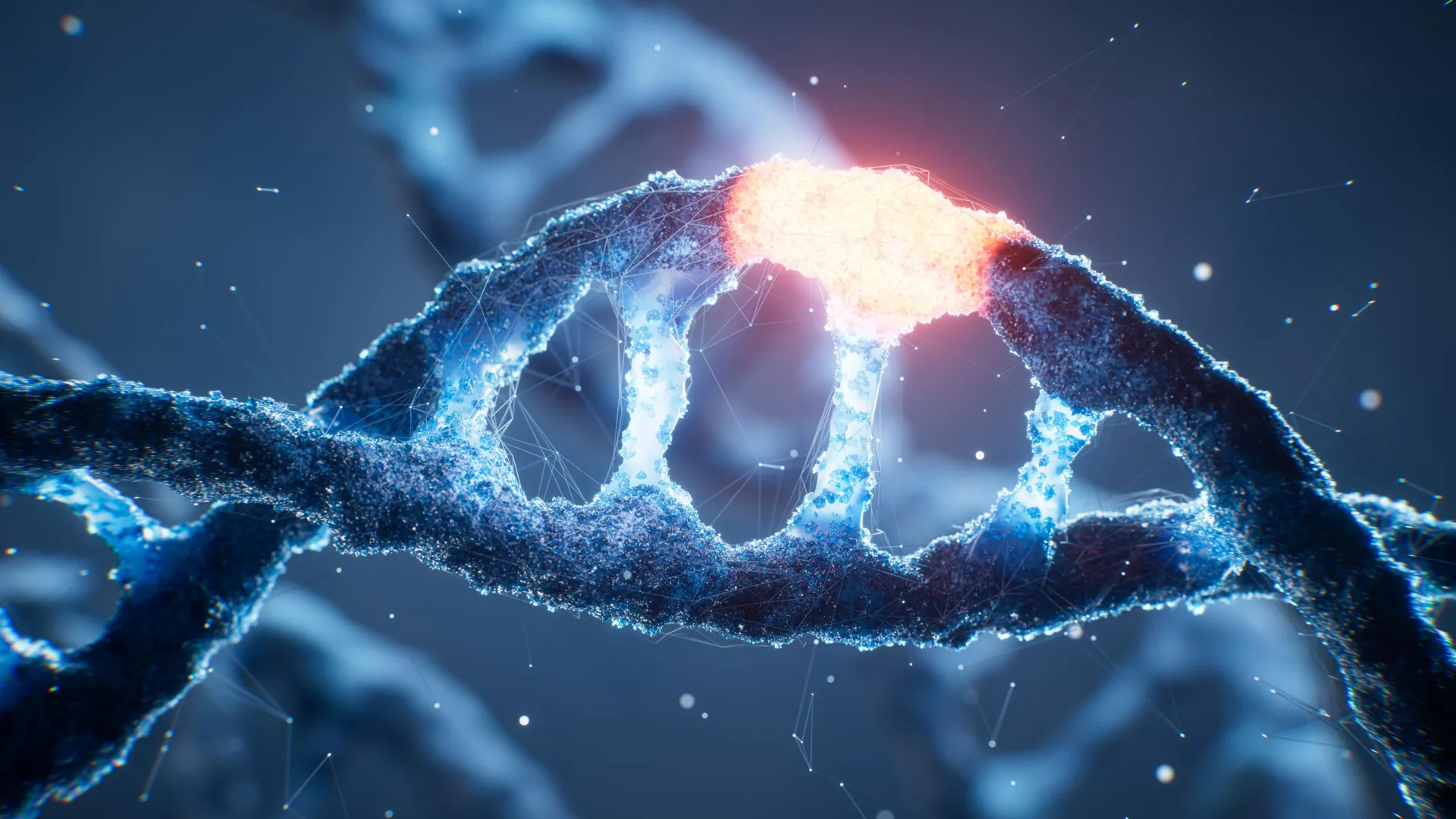
Electrons are the unsung heroes of the universe, orchestrating nearly every chemical reaction and technological marvel. They are the linchpins of energy transfer, the architects of chemical bonds, and the conductors of electrical currents, forming the bedrock of both intricate chemical synthesis and the sophisticated electronics that define our modern world. Within the realm of chemistry, electrons are instrumental in redox processes, the formation of molecular connections, and the catalytic acceleration of reactions. In the technological sphere, the ability to precisely manage electron movement and interaction is the very essence of electronic circuits, the intelligence of AI systems, the efficiency of solar cells, and the nascent power of quantum computers. Historically, electrons have been bound to individual atoms, a limitation that has constrained their potential applications. However, a special category of materials, known as electrides, defies this convention. In electrides, electrons exist in a state of independent mobility, unlocking a vista of extraordinary new capabilities.
"By unlocking the secrets of controlling these free electrons, we are empowered to engineer materials that can perform feats previously unimaginable in nature," states Dr. Evangelos Miliordos, Associate Professor of Chemistry at Auburn and the senior architect of this groundbreaking study. This revolutionary advancement is rooted in sophisticated computational modeling, a testament to the power of theoretical exploration in driving tangible innovation.
The Auburn team’s ingenious approach involved the creation of novel material architectures dubbed Surface Immobilized Electrides. This was achieved by anchoring solvated electron precursors onto robust and stable surfaces, such as diamond and silicon carbide. This strategic immobilization confers both durability and exceptional tunability to the electronic characteristics of these electrides. By subtly altering the spatial arrangement of the constituent molecules, the researchers can dictate the behavior of the electrons. They can induce electrons to coalesce into discrete "islands," each functioning akin to an individual quantum bit, the fundamental unit of information in quantum computing. Alternatively, these electrons can be encouraged to spread out, forming extended "seas" that are highly conducive to facilitating complex and intricate chemical reactions.
This remarkable versatility is precisely what imbues this discovery with its transformative potential. One manifestation of this innovation could pave the way for the development of ultra-powerful quantum computers, capable of tackling computational challenges that currently lie far beyond the reach of even the most advanced supercomputers. Another application could form the foundation for next-generation catalysts. These catalysts would possess the extraordinary ability to dramatically accelerate essential chemical reactions, thereby revolutionizing the production of vital commodities such as fuels, life-saving pharmaceuticals, and a vast array of industrial materials.
"As our global society relentlessly pushes the boundaries of current technological capabilities, the demand for novel and advanced materials is experiencing an exponential surge," observes Dr. Marcelo Kuroda, Associate Professor of Physics at Auburn. "Our research illuminates a novel pathway toward materials that not only offer profound opportunities for fundamental investigations into the intricate interactions within matter but also hold immense promise for a wide spectrum of practical applications."
Previous iterations of electrides were plagued by inherent instability and significant challenges in scaling up production. By meticulously depositing these materials directly onto solid substrates, the Auburn team has effectively surmounted these critical barriers. They have conceptualized and proposed a versatile family of material structures that possess the crucial attribute of being transferable from theoretical models into tangible, real-world devices. "While this represents a significant advancement in fundamental science, its implications are profoundly practical," emphasizes Dr. Konstantin Klyukin, Assistant Professor of Materials Engineering at Auburn. "We are on the cusp of realizing technologies that have the potential to fundamentally alter the way we approach computation and the very fabric of manufacturing."
The theoretical underpinnings of this seminal study were meticulously developed through the collaborative efforts of faculty members spanning the disciplines of chemistry, physics, and materials engineering at Auburn University. "This discovery marks merely the nascent stages of a much larger scientific journey," Dr. Miliordos concludes with palpable enthusiasm. "By diligently unraveling the principles of controlling free electrons, we can begin to envision a future characterized by computers operating at unprecedented speeds, machines exhibiting enhanced levels of intelligence, and the emergence of entirely new technologies that, at present, reside solely within the realm of our wildest imaginations."
The comprehensive findings of this research, published under the title "Electrides with Tunable Electron Delocalization for Applications in Quantum Computing and Catalysis," were further enriched by the invaluable contributions of graduate students Andrei Evdokimov and Valentina Nesterova. The project received crucial support from the U.S. National Science Foundation, a testament to its scientific merit and potential impact, as well as substantial computing resources provided by Auburn University, enabling the complex simulations and analyses required for this groundbreaking work.