isnaini azizah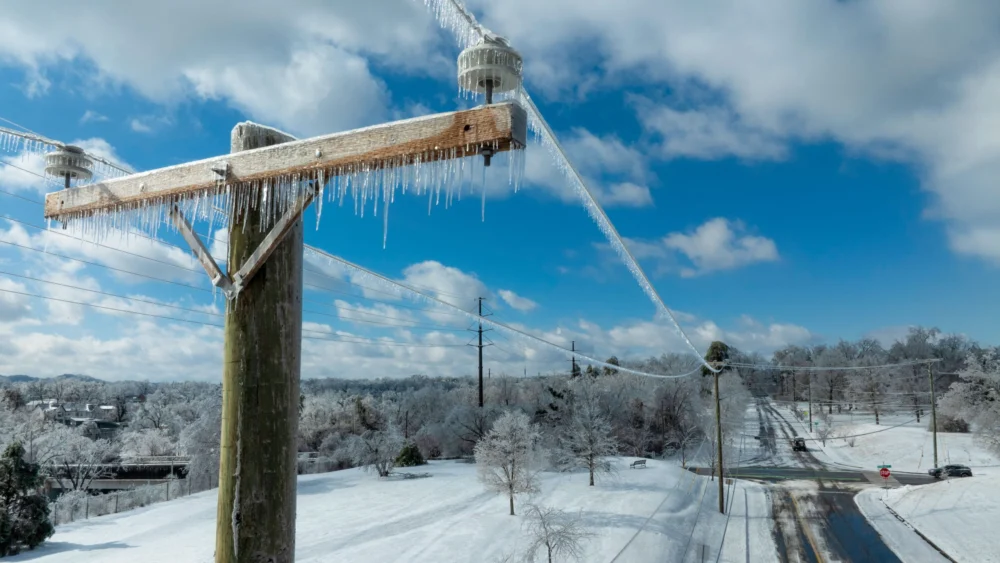
Living in New Jersey, I am personally connected to the PJM Interconnection, a system that serves approximately 67 million Americans. This past weekend, I experienced firsthand the strain on the grid when PJM reported over 20 gigawatts of unplanned outages on Sunday, the peak of the storm. This represented roughly 16% of the grid’s demand that afternoon. While other power sources managed to compensate, preventing blackouts in my region, the sheer volume of offline capacity was concerning.
Typically, grid operators delay detailing outage causes until later. However, analysts at Energy Innovation, a firm focused on energy and climate policy, delved into publicly available grid mix data. Their findings pointed to a significant failure: fossil fuels faltered during the storm. According to their research, gas-fired power plants produced approximately 10 gigawatts less power on Sunday compared to Saturday’s peak demand, even as electricity prices soared. Coal and oil-burning plants also experienced reductions in output. Michelle Solomon, a manager in Energy Innovation’s electricity program, emphasized that these plants’ inability to operate, even when high prices would have been highly profitable, likely contributed substantially to the problem. PJM has indicated that more detailed information regarding the outages will be shared at an upcoming committee meeting once the cold snap subsides, as confirmed by PJM spokesperson Dan Lockwood.
Fossil-fuel power plants are inherently susceptible to reliability issues during winter. When temperatures plummet, natural gas lines experience reduced pressure, impacting fuel supply. Freezing conditions can disable compression stations and other mechanical equipment, and even cause coal piles to freeze. The devastating winter storm in Texas in 2021 serves as a stark reminder. That event crippled numerous power plants, plunging the state’s grid into chaos, leaving millions without power for days, and tragically resulting in at least 246 deaths.
In contrast, Texas demonstrated improved resilience this time. Following the 2021 crisis, the state invested heavily in grid modernization, implementing winterization measures for power plants and transmission infrastructure. Texas has also witnessed a substantial influx of battery storage, which has significantly bolstered the grid’s ability to meet peak winter demand, especially during early morning hours. Nevertheless, an expert speaking with Inside Climate News noted that Texas also benefited from a less severe storm this time.
Here on the East Coast, the immediate threat of snow has passed, but the grid remains under immense pressure due to persistent freezing temperatures and high electricity demand. I can personally attest to the reliance on heated blankets during these frigid days. PJM anticipates a potential peak power demand of 130 gigawatts for an unprecedented seven consecutive days, a winter streak never before experienced by the local grid, according to an update on PJM’s website.
In response to the extreme conditions, the US Department of Energy has issued emergency orders to several grid operators, including PJM. These orders permit power plants to operate with temporary exemptions from emissions regulations, a measure aimed at ensuring grid reliability. The Department has also authorized several grids, including those in Texas and New England, to instruct data centers and other large consumers to switch to backup generators. While these actions are crucial for maintaining power supply, they come at a cost to air quality and the climate, as these backup sources are often highly emissions-intensive.
The lessons learned from Texas offer a blueprint for the East Coast to avoid resorting to such polluting emergency measures to keep the lights on. Energy storage, according to Solomon, could play a pivotal role in future winter storms by providing the grid with much-needed flexibility to navigate periods of peak demand and supply disruptions. The development of offshore wind power also presents a promising solution, as these facilities typically generate reliable electricity during the winter months.
Ultimately, no single energy source can comprehensively address the immense challenge of building and maintaining a resilient grid. However, as the threat of extreme weather events continues to escalate, renewable energy sources, such as offshore wind and advanced energy storage, hold significant potential to help us weather these storms more effectively and sustainably.
This article is an excerpt from The Spark, MIT Technology Review’s weekly climate newsletter. To receive it directly in your inbox every Wednesday, please sign up here.