isnaini azizah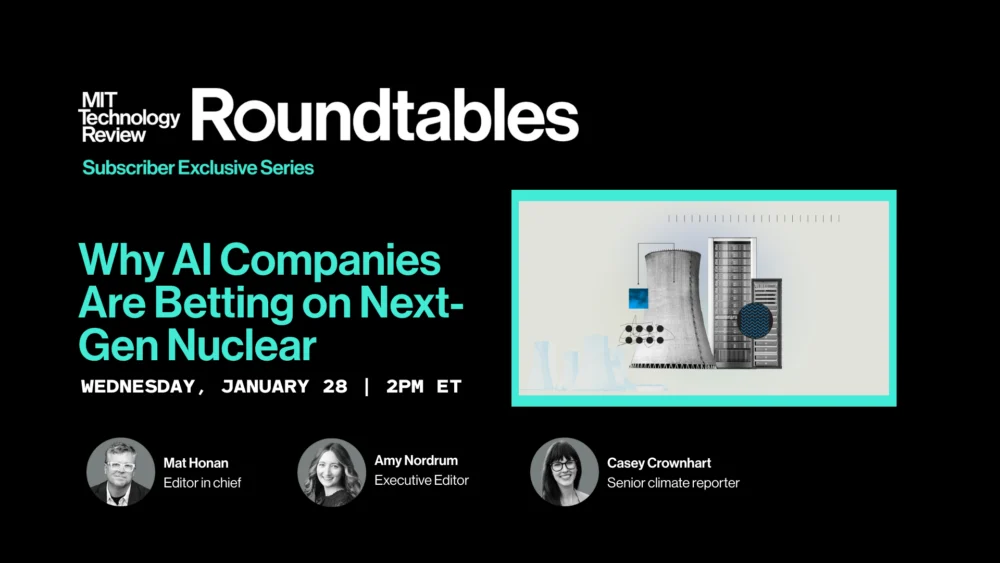
The burgeoning demand for colossal amounts of electricity to power artificial intelligence (AI) is creating a significant energy challenge, prompting a surprising confluence of interests between cutting-edge AI developers and the proponents of next-generation nuclear energy. This burgeoning partnership, often facilitated through strategic roundtables and industry dialogues, signals a fundamental shift in how the tech sector views its energy future, moving beyond traditional renewable sources to embrace the inherent advantages of advanced nuclear power. The narrative is no longer solely about "green" energy; it’s increasingly about reliable, high-density, and low-carbon power, precisely the attributes that advanced nuclear reactors promise to deliver.
At the heart of this convergence lies the insatiable appetite of AI. Training large language models, the foundational technology behind many popular AI applications, requires immense computational power, and thus, immense electricity. Data centers, the physical infrastructure housing these powerful processors, are already significant energy consumers. As AI capabilities expand, from sophisticated image generation to complex scientific simulations, the energy footprint will only grow. This projection has sent ripples through the tech industry, forcing a re-evaluation of energy sourcing strategies. While solar and wind power have made substantial strides, their intermittent nature presents a challenge for the constant, high-demand operations of AI infrastructure. This is where the promise of advanced nuclear, specifically Small Modular Reactors (SMRs) and other innovative designs, enters the conversation.
The "legacy" of nuclear power, often associated with large, traditional plants and past safety concerns, is being challenged by these new iterations. These next-generation reactors are designed with inherent safety features, enhanced efficiency, and a smaller physical footprint. Their modular nature allows for factory fabrication, potentially reducing construction costs and timelines. Furthermore, their ability to operate continuously, providing baseload power, makes them an ideal complement to the variable output of renewables, creating a robust and resilient energy grid capable of supporting the relentless demands of AI. The roundtables are crucial platforms where these benefits are being articulated and explored, bridging the gap between technological innovation in AI and the advancements in nuclear engineering.
MIT Technology Review, as a beacon of independent analysis on emerging technologies, has played a vital role in fostering these discussions. Their platform, established in 1899, has consistently provided insight, analysis, reviews, interviews, and live events that illuminate the newest technologies and their multifaceted impacts. By hosting and reporting on these crucial dialogues, they are not just documenting a trend; they are actively contributing to shaping the future of energy and AI. The "latest iteration of a legacy" refers not only to the evolution of nuclear technology but also to MIT Technology Review’s own enduring commitment to understanding and explaining transformative advancements.
The discussions at these roundtables often delve into the economic viability of advanced nuclear for AI power. While initial capital investment for nuclear facilities is substantial, proponents argue that the long operational lifespan, low fuel costs, and the potential for significant carbon emission reductions present a compelling long-term economic case. For AI companies, who are investing billions in research and development and seeking to scale their operations globally, securing a predictable, affordable, and low-carbon energy supply is paramount. The risk of energy price volatility and the increasing pressure to decarbonize operations are driving them to explore all viable options, and advanced nuclear is emerging as a serious contender.
Beyond the technical and economic aspects, the roundtables also address the regulatory and public perception challenges that have historically surrounded nuclear energy. Advanced nuclear designs often boast simplified licensing processes due to their inherent safety features and smaller scale. Discussions focus on how to effectively communicate these advancements to the public and policymakers, building trust and fostering acceptance. The goal is to move beyond the outdated perceptions and highlight the modern realities of nuclear power as a clean, safe, and reliable energy source essential for a sustainable, AI-driven future.
The "Advertise with MIT Technology Review" section underscores the importance of effective communication and market engagement in this evolving landscape. Elevating brands to the forefront of conversations around emerging technologies is crucial for both AI companies and advanced nuclear developers. From event sponsorships to custom content and video storytelling, there are significant opportunities for these entities to resonate with an unmatched audience of technology and business elite. This highlights the commercial imperative behind these partnerships; the success of AI hinges on energy, and the future of advanced nuclear may well be powered by the very innovations it helps to enable.
The roundtables are not just about abstract technological discussions; they are about forging concrete partnerships. AI companies are not merely observers; they are becoming active investors and collaborators in the advanced nuclear space. This can manifest in various ways, from direct investment in nuclear technology startups to signing long-term power purchase agreements for electricity generated by future advanced nuclear plants. These agreements provide crucial financial certainty for nuclear project developers, de-risking investments and accelerating deployment.
Furthermore, the symbiotic relationship extends to research and development. AI is being employed to optimize nuclear reactor design, improve safety protocols, and enhance fuel cycle management. Machine learning algorithms can analyze vast datasets to predict component failures, optimize operational efficiency, and even assist in the decommissioning of older facilities. This mutualistic relationship, where AI benefits from the clean energy provided by nuclear, and nuclear benefits from the analytical power of AI, is a powerful driver of innovation for both fields.
The global nature of both the AI industry and the energy transition means these roundtables often have an international dimension. Discussions explore cross-border collaboration, regulatory harmonization, and the sharing of best practices for the deployment of advanced nuclear technologies. As AI companies aim for global scalability, so too must their energy solutions be globally viable. This necessitates a coordinated approach to developing and deploying next-generation nuclear power.
In conclusion, the convergence of AI and next-generation nuclear energy, facilitated by platforms like the roundtables discussed, represents a critical juncture in our technological and environmental future. The insatiable energy demands of AI are forcing a re-examination of energy sources, and advanced nuclear, with its promise of reliable, low-carbon, and high-density power, is emerging as a compelling solution. MIT Technology Review’s role in chronicling and fostering these discussions is invaluable, as it helps to bridge the gap between innovation and implementation, ensuring that the powerful advancements in AI are underpinned by a sustainable and robust energy infrastructure. The "legacy" of nuclear power is being reimagined, and the future of AI may very well depend on its success.