isnaini azizah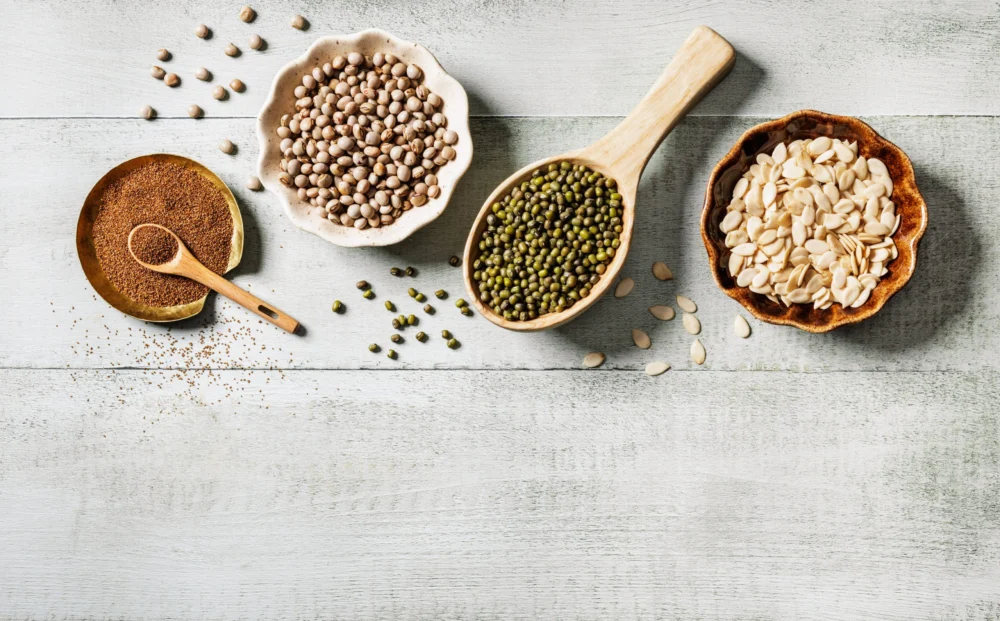
For two decades, the go-to for anyone experiencing new medical symptoms was a web search, a practice colloquially known as "Dr. Google." However, the landscape of health information seeking is evolving, with Large Language Models (LLMs) like ChatGPT now entering the fray. OpenAI reports that an astonishing 230 million people use ChatGPT for health-related queries weekly. This surge in usage provides the backdrop for OpenAI’s recent launch of ChatGPT Health, a specialized product aimed at addressing the critical need for reliable health information. The central question remains whether the inherent risks associated with AI in healthcare can be sufficiently mitigated to ensure a net benefit for users.
The United States is on the cusp of a significant regulatory battle over artificial intelligence. In the waning weeks of 2025, tensions surrounding AI regulation reached a fever pitch. On December 11th, following two failed attempts by Congress to pass a federal law preempting state-level AI legislation, President Donald Trump signed a sweeping executive order. This order aims to prevent states from enacting their own AI regulations, thereby curbing a potential patchwork of laws that could stifle innovation. Instead, Trump pledged to collaborate with Congress to establish a unified, "minimally burdensome" national AI policy. This move was hailed as a victory by tech industry leaders who have invested heavily in lobbying efforts to oppose stringent regulations, arguing that diverse state laws would impede the rapid advancement of the AI sector. The ensuing year, 2026, is anticipated to see this regulatory conflict shift to the judicial arena, as some states may acquiesce to the federal directive while others might press forward with their legislative agendas.
Measles outbreaks are on the rise across the United States, and wastewater surveillance is emerging as a crucial tool for early detection and containment. This past year marked a somber anniversary, with Texas reporting the initial case of measles that ultimately led to a widespread outbreak across multiple states. As of early January 2025, the US has recorded over 2,500 confirmed measles cases, tragically resulting in three fatalities. In response to declining vaccination rates and persistent outbreaks, scientists are actively exploring innovative methods for rapid case identification and disease prevention. Wastewater surveillance, in particular, has shown promising results in detecting the presence of pathogens within a community, offering a proactive approach to public health management.
The broader technological and geopolitical landscape is also undergoing significant shifts. Concerns about the United States’ global standing are amplified by internal political divisions, with some commentators suggesting that the current events are more damaging to America’s reputation than any foreign adversary could orchestrate. This sentiment is echoed in discussions about President Donald Trump’s public discourse, with some observers questioning his cognitive state.
The burgeoning artificial intelligence industry is fueling a significant increase in corporate debt, as major tech companies leverage borrowed funds to finance their ambitious AI development. This trend is contributing to concerns about an expanding economic bubble, with experts divided on the potential consequences of its eventual burst. The emergence of "hectocorns" – companies valued at $100 billion or more – is a testament to the immense capital flowing into the tech sector, particularly in AI. Despite the widespread agreement within the tech community that a bubble exists, there is no consensus on how it will ultimately deflate.
Data security remains a paramount concern, with revelations indicating that the DOGE system accessed a greater volume of personal data than previously understood. The Trump administration has yet to provide clarity on the extent of the data at risk or its subsequent usage, raising further privacy alarms.
In a move signaling a significant shift in global digital policy, TikTok has finalized an agreement to establish a new US-based entity. This deal aims to resolve years of uncertainty surrounding the social media platform’s operations in the United States. While this development offers a degree of stability for TikTok, it is seen by some as a strategic victory for China, the platform’s country of origin.
The United States has officially withdrawn from the World Health Organization (WHO), leaving behind a substantial unpaid debt of nearly $300 million. This decision is predicted to have detrimental consequences for global health initiatives, impacting not only the US but the entire international community.
The increasing sophistication of AI-powered disinformation campaigns poses a grave threat to democratic processes. Experts warn that these AI-driven "swarms" could be weaponized by authoritarian regimes to manipulate public opinion, potentially leading to the acceptance of election fraud or the subversion of democratic outcomes. The era of AI-driven persuasion in elections is rapidly approaching, necessitating robust countermeasures to safeguard democratic integrity.

The proliferation of robots across various sectors is imminent, though their ultimate design and capabilities remain a subject of ongoing debate. Chinese companies, in particular, are demonstrating a growing dominance in key areas of AI and robotics, signaling a significant shift in the global technological power balance.
Research into animal navigation suggests that creatures develop a sense of direction through a complex interplay of internal mechanisms and external cues. Their "internal compass" appears to be informed by landmarks, enabling them to construct mental maps of their environment.
Loneliness is a growing concern, with some individuals exhibiting a particular vulnerability to its effects. Those described as "other-directed" may find particular benefit in reducing their screen time and engaging more directly with the world around them.
A cautionary tale has emerged regarding the use of AI tools for academic work. An academic reportedly lost two years of research due to a single misstep involving ChatGPT, underscoring the critical importance of not relying on such platforms for data storage.
In a stark reminder of the challenges facing global food security, Africa is increasingly turning to traditional, indigenous crops to combat rising hunger. These crops, often more nutritious and resilient to changing climates than staple grains like maize, have historically been undervalued and underutilized. The challenge now lies in fostering collaboration between researchers, governments, and farmers to reintroduce these heritage foods onto dinner plates and ensure adequate nutrition for a growing population in the face of climate change.
The current global hunger crisis, exacerbated by climate change, is particularly acute in sub-Saharan Africa. For decades, the prevalence of hunger had been steadily declining, but this trend has reversed, with dire consequences for millions. Indigenous African crops, such as sorghum, millet, and various legumes, possess inherent nutritional advantages and are often better adapted to the arid and semi-arid conditions becoming more prevalent across the continent. However, these crops have historically been neglected by scientific research, leading to lower yields and increased susceptibility to pests and diseases compared to their commercially dominant counterparts.
The renewed interest in these traditional foods presents an opportunity to bolster food security and improve nutritional outcomes across Africa. Researchers are working to enhance the resilience and productivity of these crops through modern agricultural techniques and breeding programs. Governments are being urged to implement policies that support the cultivation and distribution of indigenous crops, including farmer education and market access initiatives. Farmers, in turn, are recognizing the value of these heritage varieties, which can offer greater resilience against climate shocks and provide a more diverse and nutritious diet. The ultimate success of this agricultural resurgence hinges on effective collaboration between all stakeholders, ensuring that these ancient foods can once again form the bedrock of African diets and contribute to a more sustainable and food-secure future for the continent.
Elon Musk, known for his bold pronouncements, recently made a series of predictions at Davos, including the assertion that AI will surpass human intelligence this year, or at the latest, next year.
Amidst the growing challenges of rising hunger, Africa is finding innovative solutions by revisiting its agricultural heritage. This renewed focus on indigenous crops, often more nutritious and climate-resilient, offers a path towards greater food security and improved well-being for the continent’s growing population.
In brighter news, the January blues can be combatted with a perfectly crafted martini. For those who appreciate the simple elegance of everyday objects, a lamp inspired by the iconic Bic crystal pen offers a quirky touch of design. As winter continues, immersing oneself in a good book or practicing mindful eating by listening to one’s hunger cues can provide comfort and well-being.