Faris Adani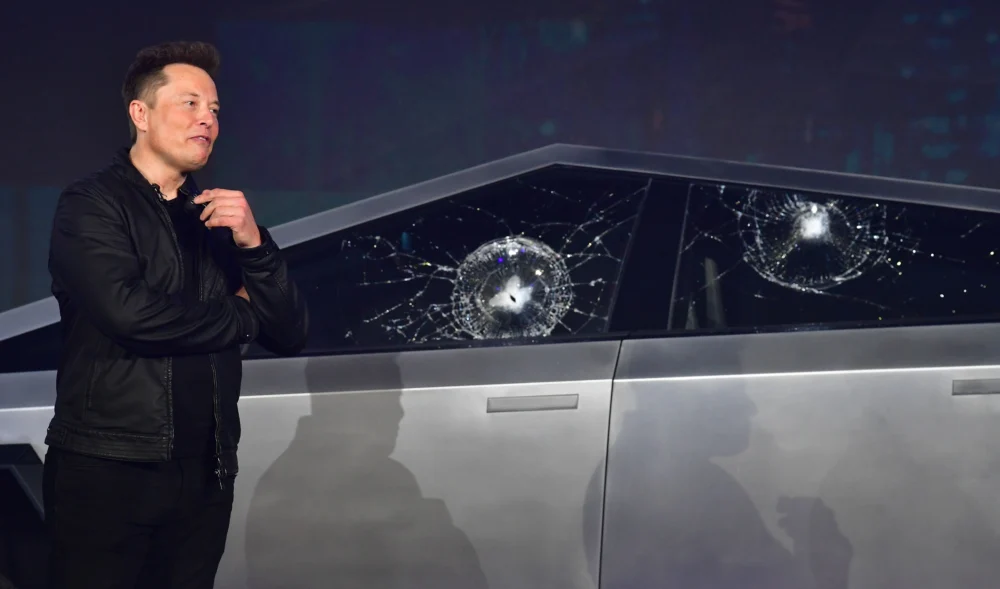
Tesla’s much-hyped, "apocalypse-proof" Cybertruck is grappling with a severe and escalating crisis, witnessing a near-cataclysmic plunge in sales that industry analysts are increasingly deeming irreversible. A comprehensive new analysis of Cox Automotive data by InsideEVs has revealed that the polarizing electric pickup truck suffered the steepest drop in sales by volume of any electric vehicle (EV) sold in the United States in 2025. This downturn capped off a truly disastrous year for the Cybertruck, where each successive quarter seemed to bring more record-setting lows, painting a bleak picture for a vehicle once touted as revolutionary.
The stark reality of the Cybertruck’s market performance becomes glaringly apparent when examining the sales figures. In 2024, its first full year on the market, Tesla managed to sell approximately 39,000 units of the notoriously unreliable pickup. While this figure might seem respectable for a niche segment, it paled dramatically in comparison to CEO Elon Musk’s ambitious, upfront boast that the automaker would eventually sell anywhere from 250,000 to a staggering 500,000 Cybertrucks annually. The 2024 numbers were already a massive shortfall against these projections, setting a troubling precedent for what was to come.
Any lingering hope that 2025 would herald a late-blooming success story for the angular truck evaporated quickly, much like the supposed durability of its stainless-steel panels. The year culminated in a pitiful tally of just 20,200 Cybertrucks sold across all of 2025. This represents a staggering shortfall of approximately 19,000 sales compared to the previous year, translating to a near 50 percent collapse in demand. According to InsideEVs, this dramatic decline marks the largest sales drop of any EV currently on sale in the US, underscoring the severity of the Cybertruck’s predicament. Adding further complexity to these figures are persistent reports that Musk may have engaged in questionable practices, such as selling Cybertrucks to his own affiliated companies to artificially inflate initial sales figures, suggesting the true picture of market demand might be even more dismal than official statistics portray.
To offer a degree of fairness, the Cybertruck’s initial year of sales in 2024 did achieve some relatively strong numbers within what remains a fairly niche market for electric pickups. This initial burst of interest, fueled by years of anticipation and Tesla’s formidable brand recognition, meant the vehicle had a higher baseline from which to fall compared to many other EVs. However, this early momentum proved unsustainable, and the subsequent cratering sales did not occur in a vacuum. A confluence of critical issues, deeply ingrained in the vehicle’s design and manufacturing, rapidly eroded consumer confidence.
The Cybertruck quickly earned a reputation not as an "apocalypse-proof" marvel, but as an "unreliable rustbucket." This irony is particularly sharp given the use of stainless steel, a material often associated with durability and corrosion resistance. Owners reported issues ranging from discolored surfaces and unexpected rust spots to difficulties in maintenance and repair. More critically, the vehicle has been subjected to no less than ten recalls, many addressing issues of profound seriousness and significant embarrassment for a premium vehicle. These recalls include, but are not limited to, instances where the accelerator pedal could become stuck in the down position, posing an immediate and severe safety hazard. Another alarming recall addressed the vehicle’s propensity to lose power entirely while driving, a critical failure that could strand drivers or lead to accidents.
Beyond these fundamental operational failures, the Cybertruck has also faced scrutiny for its build quality. Recalls were issued for its distinctive stainless steel body panels, which were reportedly held on with insufficient adhesive, leading to instances of panels potentially flying off the vehicle. Another glue-related recall targeted the lightbar attachments, further highlighting systemic issues in manufacturing and assembly. The cumulative effect of these reliability concerns and safety recalls has been devastating for the Cybertruck’s image. The promise of a rugged, indestructible vehicle capable of weathering any storm now rings hollow, raising serious questions about whether these trucks could reliably complete even a mundane trip to the rumored Tesla Diner, let alone survive a post-apocalyptic landscape.
The Cybertruck’s struggles have also been inextricably linked to the increasingly polarizing public persona of Tesla CEO Elon Musk. Throughout 2025, Musk embarked on a highly visible "speed-run" toward becoming one of the most divisive and, according to some polls, most disliked figures in America. His increasingly overt espousal of far-right political ideologies, coupled with his often-controversial and unfiltered pronouncements on social media platforms like X (formerly Twitter), created a significant backlash. These actions, which included promoting divisive content, engaging in political debates, and allegations of fostering an environment conducive to misinformation, have undeniably impacted Tesla’s broader brand reputation. Musk’s public conduct has alienated a significant segment of potential buyers who are increasingly unwilling to associate themselves with his personal brand and political leanings. Of all the vehicles in Tesla’s lineup, the Cybertruck is arguably the one most intimately intertwined with Musk’s personal vision and eccentric aesthetic, making it particularly vulnerable to the fallout from his public controversies. The vehicle’s unconventional design and "bulletproof" marketing directly reflect Musk’s unique, often provocative, approach, meaning that as his public image suffers, so too does the appeal of his automotive brainchild.
In the competitive landscape of electric pickups, the Cybertruck’s performance stands in stark contrast to its rivals. For instance, Ford’s electric pickup offering, the F-150 Lightning, comfortably outsold the Cybertruck last year. What makes this comparison even more astonishing is that the F-150 Lightning, despite its superior sales figures, was ultimately "canned" by Ford due to not meeting internal sales targets and profitability expectations. This raises a crucial question: if a more successful electric truck can be discontinued for underperforming, why does the Cybertruck, with its demonstrably worse sales and myriad issues, remain a fixture in Tesla’s lineup? The answer likely lies in a combination of factors, including Musk’s personal pride and deep emotional investment in the Cybertruck project, the significant financial sunk costs already invested in its development and production, and perhaps a strategic belief within Tesla that the vehicle, despite its current struggles, will eventually find its market or serve as a critical halo product for the brand’s innovative image, regardless of sales volume. This paradoxical situation highlights the unique decision-making processes at play within Tesla, heavily influenced by its visionary but often unpredictable CEO.
Looking ahead, the road for the Cybertruck appears fraught with challenges. For the vehicle to reverse its precipitous decline, Tesla would need to undertake a monumental effort to address not only the glaring quality control and reliability issues but also the broader brand perception problems exacerbated by Musk’s public controversies. This could involve substantial price adjustments, aggressive improvements in manufacturing processes, and perhaps a strategic distancing of the vehicle’s image from Musk’s more contentious public persona. The implications of the Cybertruck’s failure extend beyond just the model itself; it could tarnish Tesla’s reputation for innovation and reliability, potentially impacting sales across its entire EV portfolio. As the automotive industry shifts towards electrification, the ability to deliver on promises of quality, safety, and performance will be paramount, and on these fronts, the Cybertruck has, so far, fallen dramatically short. The initial hype has given way to harsh reality, leaving many to wonder if the "apocalypse-proof" truck might, ironically, be facing its own market-driven apocalypse.