isnaini azizah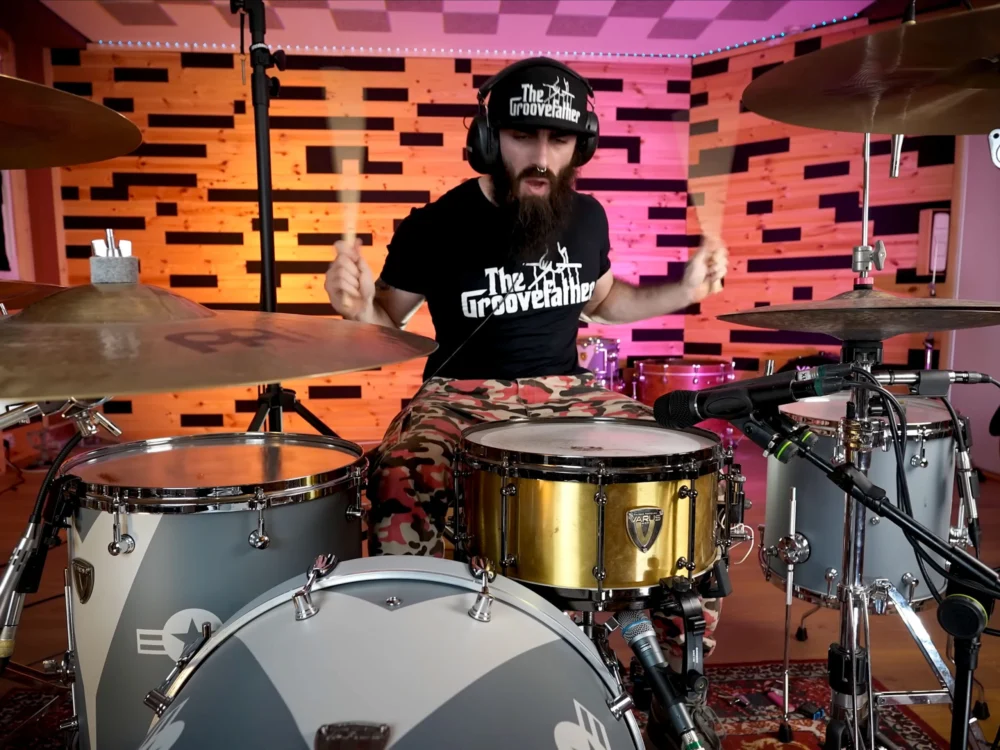
First on Heaven’s list of current obsessions is the phenomenon of "the most amazing drummer on the internet," a title he unequivocally bestows upon El Estepario Siberiano. This Spanish drummer, whose real name is Jorge Garrido, has become an internet sensation, captivating audiences with his jaw-dropping performances on YouTube. Heaven’s daughter first introduced him to Garrido’s channel a few months ago, and since then, he has been "obsessed." Garrido’s unique talent lies in his ability to perform "supercharged cover versions of popular tracks," delivering them with a speed and technical prowess that leaves even seasoned professional drummers in awe. The sheer, unadulterated human effort poured into his craft is a significant draw for Heaven, especially in an era where automation seems to dominate. Garrido openly acknowledges the years of relentless practice, stating he spent "almost all day, every day for years" behind his drum kit. This dedication, this defiance of machines with pure human endeavor, is what particularly appeals to Heaven. He finds a profound satisfaction in Garrido’s interpretations of electronic music, where the drummer’s organic power and intricate rhythms transcend the precision of programmed drum machines. Heaven specifically highlights Garrido’s rendition of Skrillex and Missy Elliot’s "Ra Ta Ta" as a prime example, describing it as an experience that "put happiness in your heart." The reaction videos from other musicians, a testament to Garrido’s extraordinary skill, are also a source of joy for Heaven, underscoring the profound impact of this digital virtuoso. The visual of Garrido, a solitary figure in front of his elaborate drum kit, meticulously crafting complex rhythms with an almost superhuman dexterity, serves as a powerful counterpoint to the increasingly disembodied nature of digital content. It’s a reminder that even within the virtual realm, raw human talent and dedication can still command profound respect and admiration. The very act of watching Garrido is an exercise in witnessing pure, unadulterated human performance at its zenith, a stark contrast to the often passive consumption of online media. His ability to imbue electronic music with a visceral, organic energy speaks to a deeper understanding of rhythm and groove that transcends genre boundaries and technological limitations. The joy derived from his performances is not just in the spectacle, but in the palpable evidence of years of dedication, discipline, and an unyielding passion for his art.

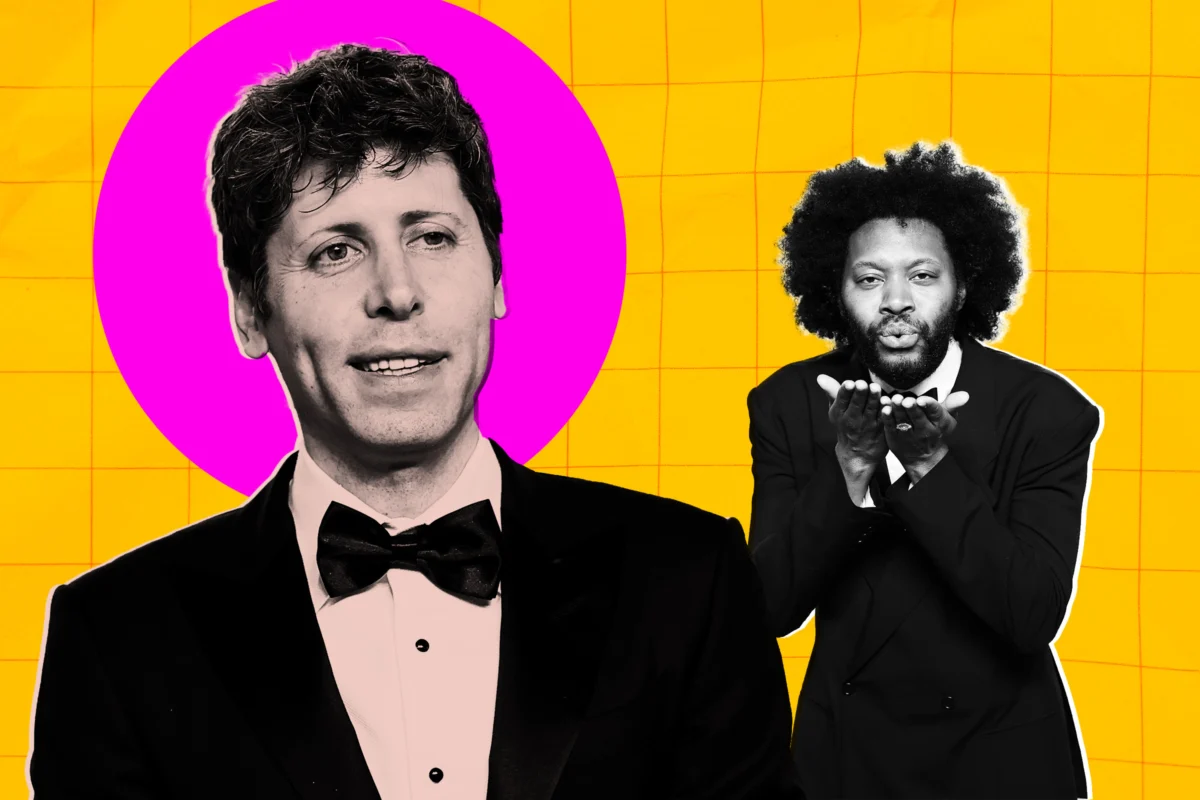
The second area that has captured Heaven’s attention is the burgeoning field of AI-generated content, particularly in the realm of video, and its intriguing, often unsettling, relationship with human emotion and artistry. He refers to this as "finding signs of life in the uncanny valley." The recent proliferation of AI-generated videos, featuring surreal scenarios like Michael Jackson stealing chicken nuggets or Sam Altman engaging in bizarre culinary acts with fictional characters, has triggered a visceral reaction in Heaven, reminding him of an exhibition by the influential British artist Ed Atkins at Tate Britain. Atkins, known for his hyper-detailed CG animations, explores the virtual representation of human emotions with a disquieting intensity. His work often features digital avatars of himself, rendered with an almost unnerving fidelity, yet exhibiting "janky movement" that hints at the artificiality underlying the hyper-realism. Heaven draws a parallel between Atkins’ artistic explorations and the current wave of AI-generated content. He recalls Atkins’ video, The Worm, which depicts a CGI avatar of the artist making a long-distance call to his mother during a COVID-19 lockdown. The audio of the video is derived from an actual recorded conversation, creating a disorienting effect where the viewer is left to question whether they are witnessing the real Atkins or his digital doppelgänger experiencing genuine emotion. Atkins’ own words about "corpsing" – an actor breaking character – are particularly resonant for Heaven. Atkins aims for his work to "corpse," to reveal the artificiality beneath the surface, to expose the cracks in the illusion. In this context, Heaven views current generative AI videos as akin to "cardboard cutouts" – seemingly lifelike, but ultimately lacking true aliveness. The uncanny valley, that psychological phenomenon where a humanoid object is perceived as nearly, but not perfectly, lifelike, becomes a critical lens through which Heaven examines these digital creations. While AI can mimic human appearance and actions with increasing sophistication, it struggles to replicate the nuanced, often messy, essence of human experience and consciousness. Atkins’ art, with its deliberate embrace of the artificial to explore genuine human feeling, stands in stark contrast to the often unintentional awkwardness and superficiality of early AI-generated content. Heaven is fascinated by the tension between the pursuit of hyper-realism and the inherent limitations of artificiality, recognizing that true artistry often lies in the revelation of these imperfections, rather than their seamless concealment. The current wave of AI-generated content, while technically impressive, often falls into the trap of appearing merely imitative, lacking the deeper conceptual underpinnings and emotional resonance that define genuine art. This fascination with the uncanny valley extends beyond mere novelty; it touches upon fundamental questions about consciousness, empathy, and the very definition of life in an increasingly digital world. The ability of AI to generate convincing simulations of reality raises profound ethical and philosophical questions, and Heaven’s engagement with this phenomenon reflects a broader societal grappling with the implications of increasingly sophisticated artificial intelligence.

Finally, Will Douglas Heaven is deeply engrossed in a "dark and dirty book about a talking dingo," specifically Laura Jean McKay’s debut novel, The Animals in That Country. This Australian author’s work offers a provocative exploration of interspecies communication and the nature of consciousness. The premise of the novel is a flu-like pandemic that grants humans the ability to understand what animals are saying. However, Heaven is quick to dispel any notion of a whimsical, Dr. Dolittle-esque narrative. Instead, he emphasizes that the animals in McKay’s world are "weird and nasty," and often their pronouncements are nonsensical. This subversion of anthropomorphic expectations is precisely what appeals to Heaven. In a world where humanity is increasingly communicating with its devices, McKay’s novel serves as a powerful reset button on the anthropomorphic tendencies we have all adopted. It forces a re-evaluation of our relationship with the non-human world, challenging our assumptions about animal consciousness and communication. The novel offers a "brilliant evocation of what a nonhuman mind might contain" and serves as a "meditation on the hard limits of communication." Heaven finds this exploration particularly relevant in our current era, where the lines between human and machine communication are blurring. The book delves into the raw, unfiltered perspectives of animals, unburdened by human social constructs or linguistic filters. This provides a stark and often uncomfortable contrast to the way humans perceive themselves and their place in the world. The "talking dingo" is not a cute, cuddly companion but a creature with its own complex, and perhaps alien, inner life. McKay’s novel delves into the messiness of animal consciousness, highlighting the potential for misinterpretation, misunderstanding, and even outright hostility. This raw, untamed portrayal of the animal kingdom resonates with Heaven’s broader interest in challenging conventional narratives and exploring the edges of our understanding. The novel’s exploration of a pandemic that alters human perception is also timely, reflecting anxieties about societal disruption and the potential for unforeseen consequences stemming from biological or technological shifts. The "dark and dirty" nature of the book, as described by Heaven, suggests a departure from idealized notions of nature and a confrontation with the more primal and perhaps unsettling aspects of the natural world. It’s a testament to the power of literature to provoke thought and challenge ingrained perspectives, offering a unique lens through which to examine our place within the broader ecosystem. The novel’s success lies in its ability to make the reader question their own anthropocentric biases and to consider the profound implications of truly understanding the perspectives of other beings. This deep dive into the mind of the "other," whether animal or artificial, highlights a consistent thread in Heaven’s current interests: a profound curiosity about the boundaries of consciousness, communication, and what it truly means to be alive and aware.